
Welcome to the NC Center for Health & Wellness
The NC Center for Health & Wellness (NCCHW) works to impact policy, build capacity, and ignite community initiatives by working through a web of cross-sector relationships organized around building healthier places throughout the state.
The two initiatives at the core of our organization include NCCHW’s Culture of Results (COR) empowerment evaluation training and technical assistance program and Healthy Aging NC (HANC), which provides statewide training, data reporting, management, and technical assistance for evidence-based health programs. Our work collectively improves health outcomes for historically marginalized populations statewide and builds systems to support the inclusivity and decision-making abilities of these underserved populations in the long term.
If you wish to financially support the wide scope of work that NCCHW provides, you may now do so directly through the following link: Donate to NCCHW programming.
.

Healthy Aging NC
Healthy Aging NC connects people to the programs and agencies that improve community health.
Learn more about Healthy Aging

Culture of Results
The Culture of Results Initiative assesses impact, strengthens coordination, and improves programs and systems statewide.
Learn more about Culture of Results

Collaborative Work
NCCHW works collaboratively to conduct research, advocate for policy improvements, develop programs, train the workforce, and communicate about health promotion issues.
Learn more about our collaborative work

WNC Health Policy Institute
WNC Health Policy Initiative’s mission is to inform strategies for improving the health and wellbeing of all people of WNC through scholarship, collaboration, policy development and advocacy.
Learn more about WNC Health Policy Initiative
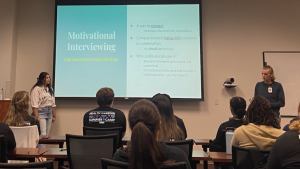
University Engagement
The NCCHW offers diverse opportunities for student engagement, emphasizing the idea that the most effective learning comes from actively assisting our communities.
Learn more about University Engagement

Scorecards
This Scorecard is a web-based platform for tracking and communicating results, indicators, strategies and performance measures.